An internet defamation lawyer who fights to clear your name.
From identifying anonymous posters to removing defamatory content and recovering damages, we handle the full scope of online defamation claims, and we move fast because content spreads fast.
What happened to you online?
Your online reputation matters. We protect it.
Internet defamation occurs when someone publishes a false statement of fact about you online, in a post, comment, review, or on social media, that damages your reputation, business, or personal relationships. The false statement must be presented as fact, not opinion. It can appear on Google, Facebook, X (Twitter), Yelp, Reddit, forums, or anywhere online where third parties can read it.
Ludwin Law Group represents individuals and businesses whose reputations have been damaged by defamatory posts, fake reviews, cyberbullying, social media attacks, and anonymous online harassment. Online defamation spreads faster and reaches more people than traditional defamation ever could. Left unchecked, it can destroy careers, tank business ratings, and harm personal relationships.
We handle the full scope of internet defamation claims: identifying anonymous posters, sending platform takedown demands, filing for injunctive relief, and pursuing damages in state and federal court. Our firm is based in Delray Beach and represents clients throughout Florida and in federal court.
We represent people and businesses across South Florida and beyond whose names have been targeted online.
- Business owners targeted by fake negative reviews
- Professionals whose careers are damaged by false online accusations
- Individuals attacked by cyberbullies or anonymous posters
- Companies facing coordinated smear campaigns from competitors
- Public figures and executives managing crisis reputation threats
- Anyone who needs defamatory content removed urgently
What we handle.
From identifying anonymous posters to removing defamatory content and recovering damages, we handle every aspect of online defamation claims in Florida.
Online Defamation & Libel
False statements published online that damage your reputation, business, or livelihood. We identify the source, demand removal, and pursue damages.
Reputation HarmFake Reviews & Business Disparagement
False or malicious reviews on Google, Yelp, TripAdvisor, or other platforms designed to harm your business. We get them removed and hold the poster accountable.
Business DamageCyberbullying & Online Harassment
Repeated attacks, threats, or defamatory statements on social media or platforms intended to intimidate or harm you. We stop it and pursue justice.
Personal AttackContent Removal & Takedown
Formal DMCA takedown notices, platform removal requests, and legal demands to remove defamatory or harassing content before it spreads further.
Immediate ActionAnonymous Poster Identification
When the defamer hides behind a fake name or anonymous account, we use subpoenas and court orders to unmask their identity so you can pursue them legally.
John Doe SubpoenaInjunctive Relief & Restraining Orders
When defamatory content is spreading rapidly and causing ongoing harm, we can seek emergency court orders to stop publication and compel removal immediately.
Emergency ReliefInternet defamation case types we handle.
Online defamation claims have unique procedural requirements and remedies. Below is a closer look at the most common case types we handle, with the details you should know before contacting an attorney.
False Reviews & Business Disparagement
Fake reviews designed to tank your business rating can constitute actionable defamation if they make specific false claims presented as fact. Common examples: fake reviews claiming you committed a crime, claims about health code violations or fraud, false accusations of discrimination, or invented stories designed to harm your reputation.
We send takedown notices to Google, Yelp, and other platforms requesting immediate removal. Many reviews come down within 24 to 48 hours with proper legal pressure.
Key distinction: “I didn’t like my experience” is opinion and not actionable. “This business failed a health inspection for rodents” is a false statement of fact and is defamatory if untrue.Social Media Defamation
Defamatory posts on Facebook, Instagram, X (Twitter), TikTok, LinkedIn, or Reddit can reach thousands in hours. Screenshots preserve the damage even after deletion. Florida law treats social media posts the same as any other published statement.
We move quickly to preserve evidence, demand platform removal, identify the poster, and pursue legal action. Virality is not a defense. The faster it spreads, the more damages accrue.
Platforms have their own community standards processes, but legal pressure through an attorney typically produces faster results than reporting alone.Defamation Per Se vs. Defamation Per Quod
Under Florida law, defamation per se involves statements so harmful on their face that damages are presumed, with no proof of actual harm required. These include: accusations of a crime, statements that you have a loathsome disease, allegations of serious sexual misconduct, or statements that harm you in your trade or profession.
Defamation per quod requires the plaintiff to prove actual damages, and the defamatory meaning may require context to understand. Both are actionable. The distinction affects your burden of proof and available remedies.
Anonymous Poster & John Doe Cases
The anonymity of the internet does not give someone the right to defame you. When the poster hides behind a fake name, we file suit against “John Doe” and use pre-suit discovery or court-ordered subpoenas to compel platforms and ISPs to reveal the poster’s identity.
This process requires understanding platform policies, Section 230 limitations, and the constitutional standards courts apply before ordering disclosure. We have navigated these issues and know how to build the evidentiary record needed to succeed.
Act quickly: ISPs and platforms often retain IP logs and account data for limited periods. Delay can mean lost evidence.Trade Libel & Competitor Smear Campaigns
When a competitor publishes false statements about your products or services to divert your customers, this is trade libel (also called business disparagement). Unlike personal defamation, trade libel requires proof of actual financial loss, but the damages can be substantial.
We also handle tortious interference claims when false statements are used to damage business relationships, vendor contracts, or referral networks. These cases often involve coordinated posting campaigns from multiple fake accounts.
False Light Invasion of Privacy
Florida recognizes false light as a separate tort from defamation. A false light claim arises when someone publicly portrays you in a highly offensive, false way, even if the statement is not technically defamatory. Common examples: doctored images, misleading headlines, or content that implies criminal behavior without stating it outright.
False light claims can run alongside defamation claims or stand independently when the defamation elements are not fully met. We evaluate both causes of action and pursue the theory most favorable to your recovery.
Internet defamation requires specialized knowledge.
Not every litigation attorney understands platform removal protocols, Section 230 immunities, John Doe subpoena procedures, or the evidentiary requirements for identifying anonymous posters. Internet defamation is a specialized field. At Ludwin Law Group, it is one of our core practice areas, not a sideline. That focus means we know the current platform policies, case law, and litigation strategies that get results while protecting your position.
Defamation is a core practice area
We do not dabble in internet defamation between other cases. It is one of our core areas. That focus means we know the current platform policies, case law, and litigation strategies that get results.
We understand platform removal protocols
Google, Yelp, Facebook, and other platforms respond differently to legal demands. We know the correct process for each platform and how to escalate when initial requests are ignored.
We know how to unmask anonymous posters
Filing against a John Doe and compelling an ISP or platform to reveal a poster’s identity requires a precise legal approach. We have navigated this process and know how to build the record courts require.
We move fast because content spreads fast
Every day a defamatory post is online, more people see it and screenshot it. We prioritize speed in our intake and demand process to limit harm while building your legal case.
5.0 Martindale-Hubbell rating, 52 five-star Google reviews
Our track record speaks for itself. Clients choose us because we communicate clearly, pursue their cases aggressively, and deliver results. Read our reviews and see why past clients recommend us.
Boutique firm, close attorney oversight
Ludwin Law Group is a boutique civil litigation firm in Delray Beach where cases are handled with close attorney oversight and personalized attention from start to finish. We handle internet defamation cases throughout Florida and in federal court.
How we handle your defamation claim.
Free Case Review
We evaluate your situation, identify the defamatory content, assess its legal merit, and outline your options: removal, litigation, or both. Confidential and no obligation.
Evidence Preservation & Demand
We preserve screenshots and metadata, identify the poster where possible, and issue formal takedown demands to the poster and the platform simultaneously.
Litigation if Content Persists
When demands are ignored, we file suit for defamation damages, injunctive relief to compel removal, and where appropriate, to unmask an anonymous poster via court order.
Resolution & Monitoring
After removal or judgment, we help you document the outcome and monitor for reposting. We can advise on steps to restore your online reputation following a successful case.
Your reputation matters. We’ll protect it.
If defamatory content about you or your business is online right now, every hour it remains is another hour it spreads. Contact Ludwin Law Group today for a free, confidential case review.
Internet defamation FAQ.
Answers to the questions our clients ask most often about internet defamation claims in Florida.
Defamation under Florida law requires: (1) a false statement of fact presented as true, (2) published to third parties, (3) that identifies or makes you identifiable, (4) causing harm to your reputation, and (5) made with the required level of fault, negligence for private figures, actual malice for public figures.
Key point: opinions are protected. “I think this restaurant has bad service” is opinion. “This restaurant failed a health inspection for rodents” is a statement of fact, and defamatory if false. The statement must be presented as fact, not opinion.
You can request removal by reporting the content to the platform (Google, Facebook, Yelp, etc.), sending a cease and desist letter to the poster, or filing a defamation lawsuit that includes injunctive relief compelling removal. Legal demands from an attorney carry significantly more weight than user reports alone.
We send formal legal demand letters to platforms and posters simultaneously. Many platforms remove content within 24 to 72 hours when presented with documented defamation claims.
Yes. You file suit against “John Doe” and then use pre-suit discovery or court-ordered subpoenas to compel the platform or ISP to reveal the poster’s identity. Courts have consistently held that anonymity does not provide immunity from defamation liability. The First Amendment protects anonymous speech, but not false statements of fact that harm others.
Act quickly. ISPs typically retain IP address logs for 90 days or less. Delay can mean that identifying information is permanently gone.
Section 230 of the Communications Decency Act generally immunizes platforms (Google, Facebook, Yelp, etc.) from liability for content posted by third-party users. This means you typically cannot sue the platform itself for hosting the defamatory post. Your claim is against the poster who wrote it.
Section 230 does not protect the person who actually wrote and published the defamatory content. It also does not prevent courts from ordering platforms to remove content pursuant to a valid court order.
In a Florida defamation case you may recover: compensatory damages for harm to your reputation, emotional distress, and economic losses (lost clients, lost income, medical expenses); special damages for specific financial losses you can document; presumed damages in defamation per se cases, which do not require proof of actual harm; and punitive damages where the defendant acted with actual malice.
In some cases, courts also award attorney fees where the defamatory content was particularly egregious or published with malice.
Florida’s statute of limitations for defamation is two years from the date the defamatory statement was published (Section 95.11(4)(g), Fla. Stat.). The clock typically starts when the content first went live, not when you discovered it. Do not wait. If you are past two years from publication, you may still have other viable claims. Contact us to evaluate your specific situation.
It depends on the content. A review expressing dissatisfaction with service (“Waited 45 minutes, food was cold”) is opinion and not actionable. A review stating specific false facts (“This restaurant was cited by the health department for cockroaches in the kitchen”) can be defamatory if the claims are false and presented as fact.
We evaluate reviews case by case. The key questions are: is the statement verifiable as true or false? Is it presented as fact? Did it cause you quantifiable harm? If yes to all three, you likely have a claim.
Potentially, yes. Each republication of a defamatory statement can constitute a separate act of defamation. Under Florida’s “single publication rule,” online content is generally treated as published once, when it first goes live, rather than each time someone views it. However, deliberate reposting or sharing to a new audience can constitute a new publication.
We analyze the chain of publication in each case to identify all potentially liable parties.
Take these steps immediately: (1) Screenshot everything, the post, the URL, the date, and any replies. Do not rely on the platform to preserve it. (2) Do not contact or confront the poster directly, this can complicate your legal case. (3) Do not post a public response, this can appear to legitimize the content. (4) Contact an attorney. The sooner we get involved, the faster we can act to limit damage and preserve evidence.
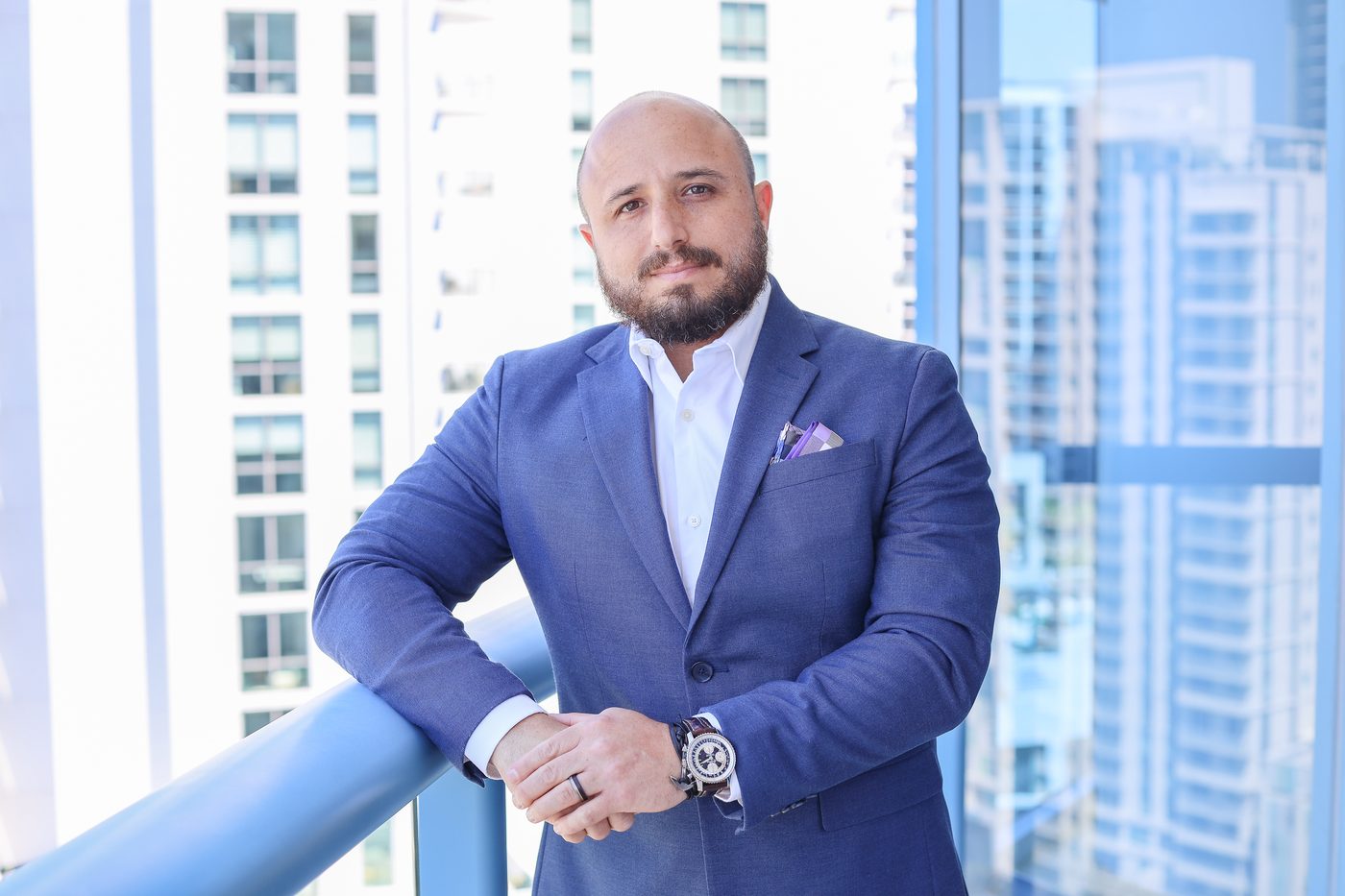
Adam Ludwin, Founder
Adam Ludwin founded Ludwin Law Group with one goal: give individuals and businesses a real, skilled advocate when they need one most. He focuses on litigation matters where stakes are high and aggressive, knowledgeable representation makes the difference, including internet defamation, civil litigation, business disputes, and maritime law.
Adam holds a 5.0 Martindale-Hubbell Peer Review Rating, the highest possible, and has earned 52 five-star Google reviews from clients who chose him when their reputations, businesses, or livelihoods were on the line. He is admitted to The Florida Bar and to the U.S. District Courts for the Northern, Middle, and Southern Districts of Florida, and is a member of the American Bar Association.
His approach is straightforward: move fast to preserve evidence and limit the spread of defamatory content, build the record courts require, and pursue the remedy most favorable to your recovery, whether that is removal, damages, or both.
Credentials & Experience