When your commercial lease is being violated, every day costs you money.
When a commercial tenant defaults on a lease, stops paying rent, or violates lease terms, Florida law provides specific remedies, but default periods, notice requirements, and filing deadlines are strictly governed by statute. Mistakes early in the process can compromise your ability to recover.
What is your situation?
Commercial lease enforcement for property owners and investors.
A commercial landlord/tenant attorney in Florida enforces leases on behalf of property owners and investors when a tenant defaults, stops paying rent, holds over, or violates lease terms. The work includes serving statutory notices, prosecuting summary eviction actions, recovering past-due rent and holdover damages, enforcing personal guarantees, and litigating CAM and lease-compliance disputes. Default periods, notice requirements, and filing deadlines are strictly governed by statute, so early action protects your ability to recover.
When a commercial tenant defaults on a lease, stops paying rent, or violates lease terms, Florida law provides specific remedies including summary eviction procedures, holdover damages, and collection of past-due rent. Commercial landlords should consult an experienced attorney immediately, because mistakes early in the process can compromise your ability to recover.
A commercial lease is not a residential agreement. The dollar amounts are larger, the terms are more complex, and the legal exposure on both sides is significant. Whether you are a property owner with a single commercial tenant or an investor managing a multi-unit portfolio, a defaulting tenant is not a paperwork problem. It is a threat to your cash flow, your asset value, and your ability to re-lease the space at market rate.
Ludwin Law Group is a boutique civil litigation firm where commercial landlord/tenant matters are handled with close attorney oversight and aggressive case management from initial notice through resolution. We represent property owners, investors, and property management companies across Palm Beach, Broward, and Miami-Dade counties in the full range of commercial lease disputes.
We do not handle residential security deposit disputes or small-claims rent collections. Our commercial landlord/tenant practice is focused on high-stakes lease enforcement, complex eviction litigation, and the protection of income-producing real property.
We represent the ownership side of commercial real estate, the parties whose income and asset value are on the line when a tenant defaults.
- Commercial property owners and landlords
- Real estate investors with commercial portfolios
- Property management companies
- Retail, office, and industrial property owners
- Mixed-use building owners
- Developers managing tenant relationships during construction and buildout
What we handle.
We represent commercial landlords and property investors in matters where the stakes justify experienced litigation counsel. If your situation involves a complex lease, a sophisticated tenant, or significant financial exposure, this is where we operate.
Commercial Eviction Litigation
Monetary and non-monetary evictions handled with precision. We manage the notice period, court filings, and hearing strategy to recover possession of your commercial property as quickly as Florida’s summary procedures allow.
LitigationHoldover Tenant Enforcement
When a tenant refuses to vacate at lease expiration, every month in holdover is recoverable at up to double the rent under Florida law. We move aggressively to enforce holdover liability and clear the premises.
Asset ProtectionCAM Charge Disputes
Common Area Maintenance reconciliations on NNN leases can represent years of unpaid obligations. We litigate CAM disputes, enforce audit rights, and recover underpaid maintenance charges on behalf of landlords.
Lease EnforcementNon-Monetary Lease Defaults
When a tenant pays rent but violates use restrictions, insurance requirements, signage covenants, or other lease terms, we enforce non-monetary defaults through proper notice, cure periods, and eviction if necessary.
Default EnforcementPersonal Guaranty Enforcement
Commercial leases often include personal guarantees from principals. When corporate tenants default, we pursue guarantors directly, recovering against individuals with real assets beyond the entity itself.
CollectionInjunctive Relief
When a tenant’s conduct poses immediate risk to your property or other tenants, we seek emergency injunctive relief to stop the harm, restrict access, or compel specific performance without waiting for a full trial.
Emergency ActionWhat these cases actually look like.
Commercial landlord/tenant law in Florida is procedurally demanding and statute-driven. Below is a detailed look at the disputes we handle for property owners and investors, with the details you should know before contacting an attorney.
The defaulting tenant who stops paying
A monetary default is the most common commercial landlord dispute, but common does not mean simple. Section 83.20(2) requires 3 days’ written notice to pay the rent or deliver possession before a commercial eviction action can be filed. The notice must be served correctly, contain exact amounts owed, and comply with the notice provisions in the lease itself. A defective notice restarts the clock and gives the tenant additional time in possession.
The summary procedure advantage: Once proper notice is served and the tenant fails to cure, we file under Florida’s summary eviction procedure, which gives the tenant as few as five days to respond before a default can be entered.We draft and serve the notice correctly the first time, calculate the exact amount owed, and move directly into the summary procedure so you do not lose weeks to a preventable defect.
The holdover problem
A holdover tenant is one who remains in possession after the lease expires, without signing a renewal and without your consent. This situation is more common than landlords expect, especially when lease renewal negotiations break down or a tenant is stalling while they look for space.
Double rent under Florida law: Florida Statute 83.06 allows landlords to demand double the monthly rent for each month a holdover tenant occupies the premises, when a tenant refuses to give up possession at the end of the lease. Two limits decide most of these cases. First, the obligation runs forward from the demand, not backward: the Second District held that “the obligation to pay double rent begins on the date of the demand, and is not retroactive,” and that absent a demand the holdover is simply a tenant at sufferance at the original rent. Lincoln Oldsmobile, Inc. v. Branch, 574 So. 2d 1111 (Fla. 2d DCA 1990). Every month a landlord waits to demand is a month collected at single rent. Second, the statute is penal and strictly construed, and the Florida Supreme Court has held that “the end of his lease” refers to “the expiration of a term by the efflux of time rather than upon the declaration of a forfeiture for default.” Wagner v. Rice, 97 So. 2d 267 (Fla. 1957). A landlord who ended the lease by declaring a default may have no double rent claim at all. The statute prescribes no form for the demand. This requires specific written notice timed correctly relative to the holdover period.We pursue holdover damages alongside the eviction action and ensure your demand is drafted and timed to preserve the double-rent remedy rather than waive it.
The non-paying guarantor
Most commercial leases require a personal guarantee from the tenant’s principals. When the corporate tenant defaults, the guaranty is your path to real recovery. But guaranty enforcement is not automatic. The scope of the guaranty, its trigger conditions, and any defenses the guarantor may raise must all be carefully analyzed before filing.
Common guaranty defenses: the landlord modified the lease without the guarantor’s consent, the landlord failed to mitigate damages by re-leasing promptly, or the guaranty was limited in duration and has expired.We analyze the instrument, address these defenses proactively, and pursue guarantors alongside the primary eviction action where possible, so recovery reaches individuals with real assets beyond the entity itself.
The tenant claiming constructive eviction
Constructive eviction is a defense raised by commercial tenants who claim the landlord’s conduct made the premises unusable for the permitted purpose, thereby excusing the tenant’s obligation to pay rent. Common claims include failure to maintain HVAC, roof leaks, mold, or interference with the tenant’s business operations.
The court-deposit rule: Under Florida Statute 83.232, a commercial tenant who fails to deposit rent with the court clerk during litigation waives all defenses, including constructive eviction.We defend commercial landlords against constructive eviction claims by establishing that the premises were maintained in accordance with the lease obligations and that the tenant failed to provide proper notice, then enforce the court-deposit requirement to neutralize the defense.
CAM reconciliation and audit disputes
Triple-net and modified gross leases frequently give tenants audit rights over CAM charges, and tenants who exercise those rights sometimes dispute years of prior reconciliations. These disputes can involve complex accounting issues, competing interpretations of lease language, and large dollar amounts spread over multi-year periods.
Years of exposure: A single CAM reconciliation dispute can reach back over multiple lease years, which is why the lease language governing expense categories and calculation methods controls the outcome.We represent landlords in CAM audit disputes by reviewing the lease provisions governing expense categories, exclusions, and calculation methods; challenging improper audits that exceed the tenant’s contractual rights; and litigating CAM shortfalls where the audit confirms underpayment.
Unauthorized subletting or assignment
Commercial leases typically restrict the tenant’s right to sublease or assign the lease to a third party without the landlord’s written consent. When a tenant transfers possession or control of the premises without authorization, it constitutes a material non-monetary default that can support eviction and a claim for resulting damages.
Why it matters: An unauthorized transfer exposes the landlord to a new occupant whose creditworthiness was never vetted, undermining the protections the lease was designed to provide.These situations arise frequently when a business is acquired, when principals change, or when a tenant tries to offload lease obligations without negotiating a formal assignment. We enforce anti-assignment provisions and pursue recovery for unauthorized transfers that expose the landlord to unvetted creditworthiness risk.
A litigation firm built for commercial landlords who cannot afford to wait.
Most commercial real estate attorneys are transactional lawyers who litigate as a secondary function. Ludwin Law Group is a civil litigation firm. The courtroom is not a fallback. It is the primary tool. For commercial landlords who need a case prosecuted aggressively, not managed passively, that distinction matters. Commercial tenants know the difference. You should too.
Commercial lease fluency
We read leases the way litigators do, looking for enforcement leverage, not just obligations. Every notice period, cure provision, attorneys’ fees clause, and guaranty trigger is identified before we file anything.
Speed matters because every month costs you
Every month a defaulting tenant holds possession is another month of lost rent, deferred re-leasing, and compounding losses. We move through Florida’s summary procedures as fast as the law allows.
We litigate, we do not mediate away your leverage
Settlement is a business decision, not a default outcome. When a tenant has violated your lease and owes you money, their desire to settle quickly is often a signal that you have the stronger position.
Boutique means close attorney oversight
Ludwin Law Group is a boutique civil litigation firm where cases receive close attorney oversight and personalized attention. Commercial clients get proactive case updates and a strategy built for their specific dispute.
State and federal court capability
Commercial lease disputes occasionally involve federal questions, multi-state tenants, or parties who prefer federal venue. We handle these matters in both state and federal courts.
The standard serious investors expect
The firms that serve commercial property investors at the highest level are litigators who understand what a lease means in court, what a guaranty is worth when pursued correctly, and what leverage looks like at each stage. That is the standard we hold ourselves to on every matter we accept.
The firms that serve commercial property investors at the highest level are not general practitioners who handle evictions between closings. They are litigators who understand what a lease means in court, what a guaranty is worth when pursued correctly, and what leverage looks like at each stage of a dispute. Ludwin Law Group is a boutique civil litigation firm where cases are handled with close attorney oversight and personalized attention from initial consultation through final resolution.
From default to resolution.
Lease & Default Analysis
We review your lease in full, identify the nature of the default, calculate exposure, confirm notice requirements, and map your enforcement options before any letters go out. Confidential and no obligation.
Notice & Demand
Proper statutory notice is served on the tenant. The notice is drafted to comply with your specific lease provisions and Florida statutes, protecting your right to proceed to litigation without a defect.
Litigation or Negotiated Resolution
If the tenant does not cure, we file. If settlement discussions arise, they happen from a position of strength with active litigation as the backdrop. We do not agree to delay filing while a tenant works on it.
Possession & Recovery
Our goal is full recovery: possession of the premises, collection of past-due rent and holdover damages, and enforcement of any attorneys’ fees provision in the lease.
Your tenant is in default. What happens next depends on who you call.
Ludwin Law Group offers a free case review for commercial landlords and property investors across South Florida. We will assess your lease, your exposure, and your options at no cost and with no obligation.
Commercial landlord/tenant questions, answered.
These are the questions commercial property owners and investors ask most often about lease enforcement in Florida.
Florida governs commercial and residential tenancies under entirely separate statutes. Residential tenancies fall under Chapter 83, Part II. Commercial tenancies fall under Chapter 83, Part I, which provides landlords with significantly more enforcement power, including the right to distrain the tenant’s personal property for unpaid rent and strict court deposit requirements that cause commercial tenants to waive defenses if they do not pay rent into the court registry during eviction proceedings. Commercial leases also govern themselves more extensively than residential ones. The notice periods, cure rights, and remedies outlined in the lease often supplement or modify the statutory default rules. This is why commercial landlords should never use a residential eviction process or rely on generic landlord forms for a commercial dispute.
Before filing a commercial eviction lawsuit in Florida, you must serve the tenant with a proper written notice. Commercial tenancies are governed by chapter 83, Part I. For a monetary default, section 83.20(2) requires 3 days’ notice in writing requiring the payment of the rent or the possession of the premises. The notice must be served in accordance with the method specified in the lease, must state the exact amount owed, and must be served by delivery of a true copy or, if the tenant is absent from the rented premises, by leaving a copy there. The business-day exclusion many people expect comes from section 83.56(3), which applies to residential tenancies only and has no counterpart in Part I. Section 83.20(3) separately requires 15 days’ written notice to cure a material breach other than nonpayment, but only where the lease is silent or the tenancy is an oral one at will. If the notice is defective in any respect, such as a wrong amount, improper service, or failure to follow the lease’s notice provisions, the eviction will be dismissed and you will have to start over. We draft and serve these notices correctly the first time.
No. Self-help eviction, meaning changing locks, removing personal property, or otherwise physically removing a tenant without a court order, is illegal in Florida for both commercial and residential tenancies. Florida Statute 83.05 requires that dispossession of a tenant occur only through court process. A landlord who engages in self-help eviction can face liability to the tenant for actual and consequential damages, even if the tenant was clearly in breach of the lease. Commercial tenants sometimes raise self-help eviction claims to generate a counterclaim and create negotiating leverage. Do not give them that opening. The proper process, while it requires time and legal fees, is your protection against those claims.
A tenant who remains in possession after lease expiration without consent is a holdover tenant. Florida Statute 83.06 provides that a commercial landlord may elect to hold a holdover tenant liable for double the monthly rent for each month of holdover, if the landlord has served a written demand for possession and the tenant refuses to vacate. Do not accept rent from a holdover tenant without written reservation of rights, as rent acceptance can inadvertently create a new tenancy. This holdover damages claim can be pursued alongside an eviction action.
Enforcing a personal guaranty requires a separate lawsuit against the guarantor, or joining the guarantor as a defendant in the same action as the corporate tenant. The guaranty agreement must be reviewed carefully before filing. Key issues include whether the guaranty is unconditional or has conditions precedent, whether it expires after a certain period, and whether there were lease modifications after the guaranty was signed that might have discharged the guarantor’s obligation. Guarantors frequently raise defenses, including that the landlord failed to mitigate damages by not re-leasing promptly after obtaining possession. We address these proactively by ensuring lease-up efforts are documented in the record.
Yes. Commercial eviction in Florida is not limited to non-payment of rent. Any material breach of the lease can support an eviction action. Common non-monetary defaults include unauthorized use of the premises in violation of the permitted use clause, failure to maintain required insurance, violations of signage restrictions, unauthorized alterations to the space, and subletting or assigning without landlord consent. For non-monetary defaults, Florida law and most commercial leases require a notice specifying the violation and giving the tenant a reasonable opportunity to cure. If the breach is not curable, or if the tenant fails to cure within the specified period, you may proceed to eviction.
This is a constructive eviction claim, one of the most common defenses raised by commercial tenants facing eviction. The tenant is asserting that the landlord’s failure to maintain the premises deprived them of the beneficial use of the space, thereby excusing their obligation to pay rent. Document everything: your maintenance records, repair requests received and responded to, vendor invoices, and any written communications about the condition of the premises. Under Florida Statute 83.232, a commercial tenant who fails to deposit rent with the court clerk during the eviction proceeding waives all defenses, including constructive eviction. We enforce this statute aggressively to neutralize tenant defense strategies.
It depends on the lease. Florida follows the American Rule, meaning each party pays its own attorneys’ fees unless a statute or contract provides otherwise. Most commercial leases include a prevailing party attorneys’ fees provision, which means if you prevail in enforcing the lease, you may be entitled to recover your legal fees from the tenant or guarantor. These provisions matter enormously in deciding how aggressively to pursue a case. We review the attorneys’ fees clause in your lease as part of every initial case evaluation.
Yes. Ludwin Law Group works with property management companies and multi-property investors who require consistent legal representation across their commercial portfolios. We are familiar with the needs of clients who may have multiple tenant disputes across different properties at any given time and can provide the kind of proactive, relationship-based representation that makes ongoing management of commercial litigation more efficient.
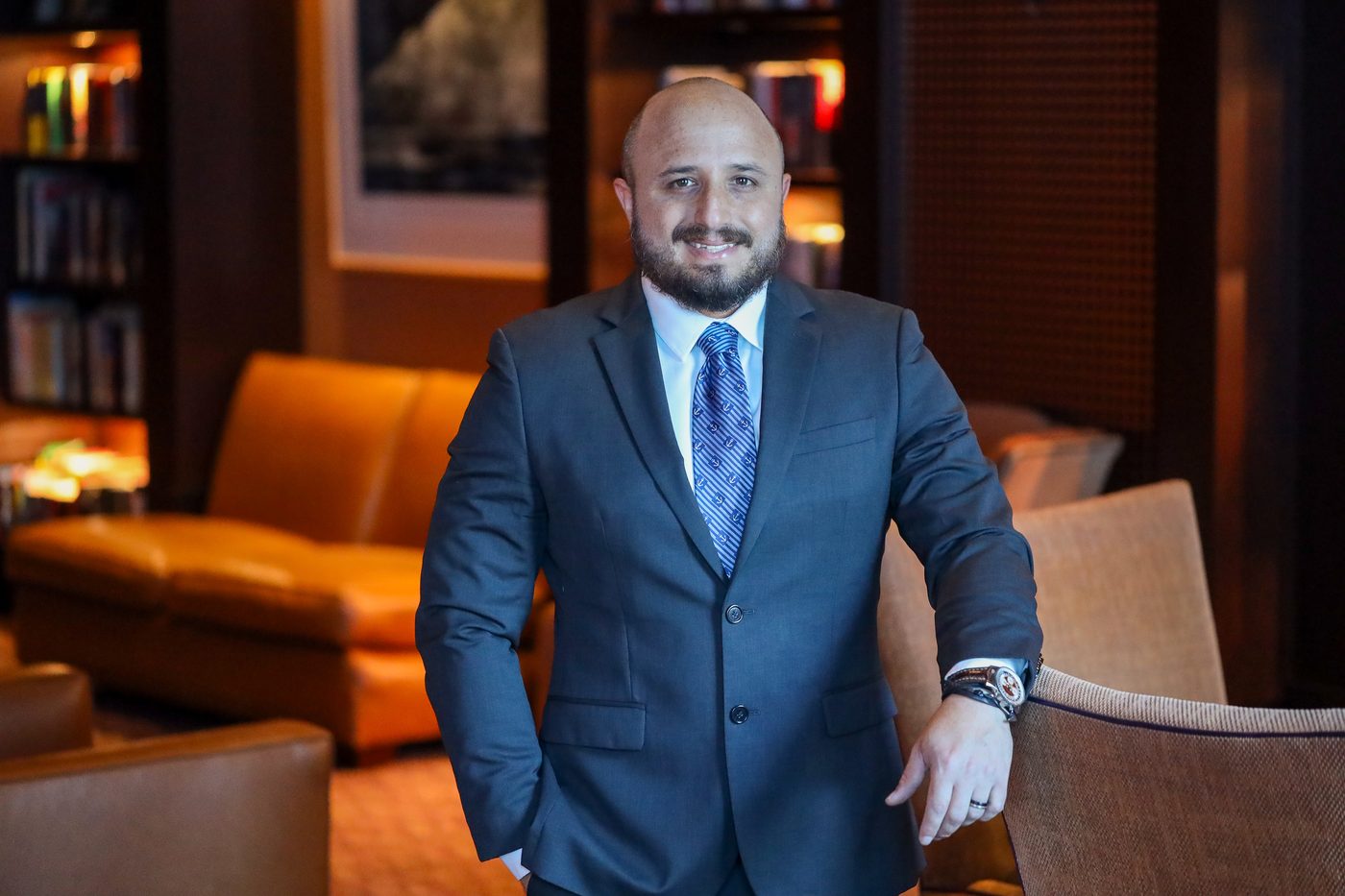
Adam M. Ludwin, Founder
Adam M. Ludwin founded Ludwin Law Group with a specific focus on civil litigation for individuals and businesses with high-stakes disputes. His commercial landlord/tenant practice serves property owners and investors who need an attorney who approaches lease enforcement as a litigation matter, not a paperwork exercise.
Ludwin Law Group is a boutique civil litigation firm where cases are handled with close attorney oversight and personalized attention from initial consultation through final resolution. Commercial clients receive direct communication, proactive case updates, and litigation strategy developed for their specific lease, their specific tenant, and their specific exposure.
The firm represents clients across Palm Beach, Broward, and Miami-Dade counties from its Delray Beach office. Adam is admitted to The Florida Bar and to the U.S. District Courts for the Northern, Middle, and Southern Districts of Florida, and is a member of the American Bar Association.
Adam holds the Martindale-Hubbell Client Champion Platinum 2026 award and has earned 56 five-star Google reviews. His approach to every commercial landlord matter is the same: review the lease, calculate the exposure, confirm the deadlines, and move with a clear strategy that protects your asset and your income.
Credentials & ExperienceProtect your asset. Protect your income.
A free case review with Ludwin Law Group costs you nothing. A defaulting commercial tenant who stays in possession costs you everything. Reach out today and we will assess your lease, your exposure, and your options.