Miami Internet Defamation Lawyer
False statements online can destroy a reputation in days and stay in search results for years. Ludwin Law Group is a South Florida civil litigation firm based in Delray Beach. We handle internet defamation cases throughout Florida, including Miami-Dade County. Internet defamation matters often do not require extensive in-person court appearances—the legal work, strategy, and filings can be handled remotely or with a single court appearance. We represent individuals, business owners, and professionals throughout Miami who need aggressive, experienced legal counsel to fight back.
Is False Content About You or Your Business Spreading Online?
Miami is the largest city in South Florida and one of the most economically diverse cities in the country. Its competitive professional landscape spans finance, real estate, healthcare, hospitality, tourism, entertainment, and international trade. In Miami’s high-stakes business environment, reputation is everything—and defamatory content can cost professionals their licenses, businesses their clients, and executives their careers in days. Defamatory statements spread rapidly across social media in multiple languages and platforms, compounding damage fast.
Ludwin Law Group handles internet defamation cases as a core part of our civil litigation practice, serving Miami clients throughout South Florida. Attorney Adam Ludwin takes matters from initial demand letter through trial—he is not a generalist who occasionally takes defamation cases. We practice in both Miami-Dade Circuit Court (for state cases) and the Southern District of Florida federal courthouse in Miami (for federal matters). We understand the legal landscape and the urgency that Miami’s competitive market demands.
- Small business owners targeted by fake Google and Yelp reviews
- Medical, dental, and mental health professionals facing false board complaints online
- Real estate agents and brokers with fabricated client complaints
- Restaurant and hospitality businesses hit with defamatory reviews
- Executives and professionals with false accusations on LinkedIn or social media
- Individuals targeted by anonymous harassment campaigns
- Attorneys and licensed professionals with false bar or licensing complaints
Internet Defamation Legal Services in Miami
Every defamation matter is different. We tailor strategy to your situation—what was said, where it was posted, and who posted it. Here is a breakdown of the services we provide for Miami and South Florida clients.
Fake Review Removal & Response
We pursue takedowns for demonstrably false Google, Yelp, Avvo, and Healthgrades reviews through platform legal channels and, when necessary, subpoena-backed litigation to establish the facts.
Google • Yelp • Avvo • Healthgrades
Anonymous Poster Identification
We file John Doe subpoenas to social media platforms, web hosts, and ISPs to obtain IP addresses and account data, unmasking the person behind anonymous attacks before those logs disappear.
John Doe Subpoenas • Platform Discovery
Defamation Lawsuits & Damages
When takedowns and cease-and-desist letters are not enough, we pursue defamation claims in Miami-Dade Circuit Court or federal court to recover compensatory and punitive damages.
Civil Litigation • Miami Courts • Federal Court
Platform Takedowns & DMCA
We draft and submit legally precise removal requests to platforms, leveraging DMCA, platform terms of service violations, and Florida defamation law to get harmful content taken down faster.
DMCA • ToS Violations • Removal Requests
Business Defamation & Trade Libel
False statements that harm your business reputation or disparage your goods and services are actionable as trade libel. We protect Miami businesses from competitor attacks and malicious review campaigns.
Trade Libel • Business Reputation
Cease & Desist & Demand Letters
A professionally drafted cease-and-desist letter that cites specific Florida defamation statutes often resolves matters quickly without litigation. We send letters that carry legal weight, not template threats.
Demand Letters • Pre-Litigation Strategy
Common Internet Defamation Case Types in Florida
Understanding what kind of defamation case you have shapes the entire legal strategy. Click any category below for a detailed breakdown.
Fake Google & Yelp Reviews
Fake reviews are among the most damaging defamation situations for Miami businesses. The city’s competitive market for restaurants, real estate, medical services, and professional firms means a single false one-star review can appear at the top of search results and cost you clients for months before platforms take any action—if they act at all.
Florida law treats a demonstrably false statement of fact in a review as potentially defamatory. The key legal question is whether the statement is a verifiable fact or subjective opinion.
Social Media Defamation (Facebook, Instagram, Reddit)
Social media posts can reach thousands of people within hours. A false accusation on Facebook, an Instagram story presenting fabricated claims as fact, or a Reddit thread alleging criminal activity can cause immediate and severe reputational damage to Miami individuals and business owners.
These cases require fast action. Social platforms are not required to remove defamatory content unless ordered by a court. Our approach: identify the poster, send a demand, and file quickly if the post stays up.
Anonymous Poster Identification & John Doe Subpoenas
Many internet attackers post anonymously believing they cannot be found. They are usually wrong. We file John Doe lawsuits and subpoena platforms, ISPs, and hosting providers to obtain account registration data, IP addresses, and access logs.
Defamation Per Se Under Florida Law
Florida recognizes defamation per se—categories of false statements so inherently harmful that damages are presumed without proof of specific financial loss. These categories include false statements that: (1) impute a crime to the plaintiff, (2) injure the plaintiff in their trade or profession, (3) impute the plaintiff has a loathsome disease, or (4) impute sexual misconduct.
Business Defamation & Trade Libel
Trade libel covers false statements about a business’s goods or services that cause economic harm. Common fact patterns include competitor attacks posing as unhappy customers, mass fake review campaigns, and false statements circulated within an industry. We pursue these cases in both Miami-Dade Circuit Court and federal court depending on the facts.
Florida’s Two-Year Statute of Limitations
Florida applies a two-year statute of limitations for defamation claims (Fla. Stat. § 95.11(4)(g)), running from the date the defamatory content was first published—not from when you discovered it.
Why Miami Clients Choose Us for Internet Defamation Cases
The Southern District of Florida federal courthouse is in Miami. Ludwin Law Group is admitted to practice in SDFL and handles federal internet defamation cases. We also handle state cases filed in Miami-Dade Circuit Court. Internet defamation matters often do not require frequent in-person court appearances, so geographic distance is rarely a barrier.
We handle defamation cases as a core part of our civil litigation practice, not as overflow from other areas. That means we understand the specific procedural moves—John Doe subpoenas, platform discovery, defamation per se arguments—that generalists miss.
Platform log retention can be as short as 30 days. We know how to file emergency preservation requests and expedited subpoenas to capture data before it is gone. Early action is not optional in these cases—it is the difference between winning and losing.
We handle every stage: initial demand, platform takedowns, John Doe subpoenas, filing the lawsuit, discovery, and trial if necessary. You get one attorney and one firm for the entire matter.
Attorney Adam Ludwin is a Florida Supreme Court certified circuit civil mediator. That means we can explore settlement and resolution options without the cost and delay of full litigation.
Ludwin Law Group is a boutique civil litigation firm serving clients throughout South Florida. Cases are handled with close attorney oversight and personalized attention from start to finish.
The Defamation Case Process at Ludwin Law Group
Free Case Review
We evaluate your situation: what was published, where, by whom (if known), and when. We identify whether the content is potentially defamatory under Florida law and outline your options.
Legal Strategy
We develop a strategy specific to your case—demand letter only, platform takedown, John Doe subpoena, civil lawsuit, or a combination. We explain the cost and likely timeline for each path before you decide.
Action: Demand, Subpoena, or Lawsuit
We execute the agreed strategy: sending a legally precise demand letter, filing a John Doe action to identify an anonymous poster, or initiating a defamation lawsuit in Miami-Dade Circuit Court or SDFL federal court.
Resolution
Cases resolve through voluntary content removal, settlement, or court judgment. Our goal is the outcome you need—content down, damages recovered, and your reputation protected—on the most efficient timeline possible.
Ready to Fight Back? Contact Ludwin Law Group Today.
Serving Miami, Miami Beach, Coral Gables, Aventura, and Miami-Dade County.
Internet Defamation FAQs: Miami & South Florida
Common questions from Miami and South Florida clients facing online defamation, fake reviews, and anonymous attacks.
Under Florida law, internet defamation (online libel) requires four elements: (1) a false statement of fact—not opinion; (2) publication to at least one third party; (3) fault by the person who published it; and (4) damages. Florida also recognizes defamation per se, where damages are presumed for certain categories of false statements. The statute of limitations is two years from the date of first publication under Fla. Stat. § 95.11(4)(g).
Immediately. Florida’s two-year statute of limitations begins on the date the content was first published—not the date you discovered it. For anonymous attacks, social media platforms, ISPs, and web hosts typically retain log data for only 30 to 90 days before deletion. Contact an attorney within days of discovering the content, not weeks.
Yes, if the review contains a false statement of fact (not just negative opinion), you may have a viable defamation claim. Google is not legally liable for user-posted content under Section 230, but the individual who posted the review can be sued for defamation in Florida. Defamation lawsuits in Miami are filed in Miami-Dade Circuit Court.
We file a John Doe lawsuit naming the anonymous poster as an unnamed defendant, then issue subpoenas to the platform, ISP, or web host to obtain account registration information, IP addresses, and access logs. The most critical factor is timing—log data disappears fast, and we need to act before it does.
Florida courts distinguish between statements of fact (which can be proven true or false) and pure opinion (which cannot). Only false statements of fact are actionable as defamation. For example: “This contractor did poor work” is likely opinion. “This contractor stole from my home” is a verifiable factual claim that can support a defamation case.
Not directly through Google, in most cases. The more effective strategy is to get the content removed from the source website. Court orders and platform legal requests are more reliable tools than Google’s standard removal process. Once source content is down, Google cache clears on its next crawl.
Florida law allows recovery for both economic damages (lost business income, lost clients, damage to professional reputation) and non-economic damages (harm to personal reputation, mental anguish, emotional distress). In cases of defamation per se, damages may be presumed. Punitive damages may also be available in cases involving deliberate malice.
Most internet defamation lawsuits involving Miami plaintiffs or defendants are filed in Miami-Dade Circuit Court, located at 1351 NW 12th St (Richard E. Gerstein Justice Building) in Miami. Federal cases may be filed in the U.S. District Court for the Southern District of Florida, at 99 NE 4th St (James Lawrence King Federal Justice Building) in Miami. Ludwin Law Group practices in both courts.
Yes. Although we are based in Delray Beach, we regularly handle internet defamation and civil litigation cases throughout South Florida, including Miami and Miami-Dade County. We practice in Miami-Dade Circuit Court and the Southern District of Florida federal courthouse in Miami. Internet defamation cases typically do not require extensive in-person appearances—most of the legal work can be handled remotely or consolidated into a single court appearance.
Come prepared with: (1) screenshots or copies of the defamatory content with timestamps and URLs; (2) any information you have about who may have posted it; (3) the dates you first became aware of the content; (4) documentation of any harm caused; and (5) any prior communications you have had with the poster or the platform.
Meet Attorney Adam Ludwin
Managing Partner — Ludwin Law Group, P.A.
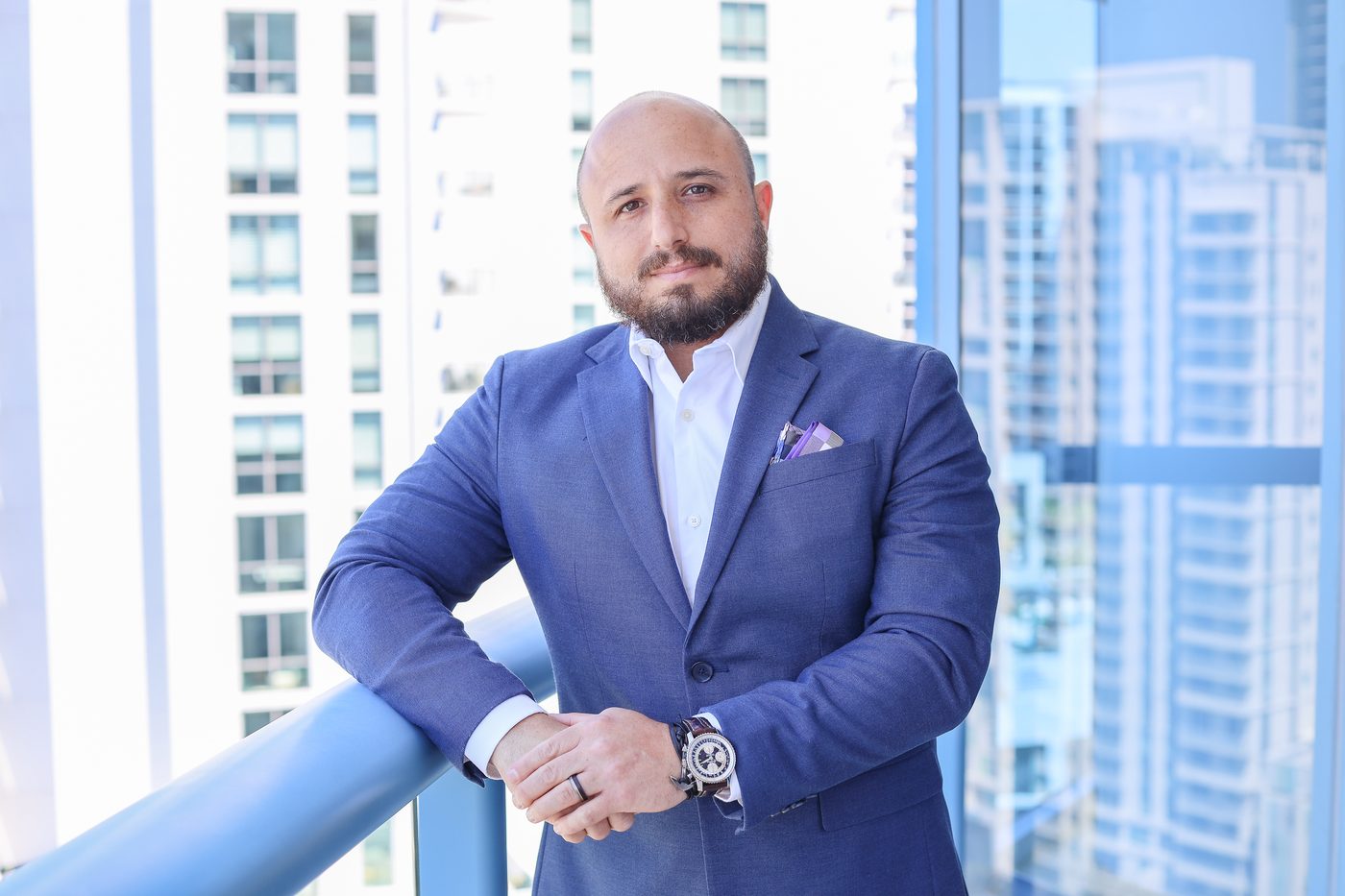
Adam Ludwin
Managing Partner, Ludwin Law Group, P.A.
Adam Ludwin is a civil litigation attorney based in South Florida, serving Miami, Miami-Dade County, and throughout the region. He handles internet defamation, maritime law, business litigation, debt collection, landlord-tenant disputes, and mediation. He is a Florida Supreme Court certified circuit civil mediator and practices in both Florida state courts and the Southern District of Florida federal court.
- Juris Doctor — Nova Southeastern University Shepard Broad College of Law
- B.S. Finance — Pennsylvania State University
- Member, The Florida Bar
- Member, Federal Bar Association
- Member, Palm Beach County Bar Association
- Florida Supreme Court Certified Circuit Civil Mediator
- Martindale-Hubbell Rated 5.0